Too good to be photographed
Project & publication

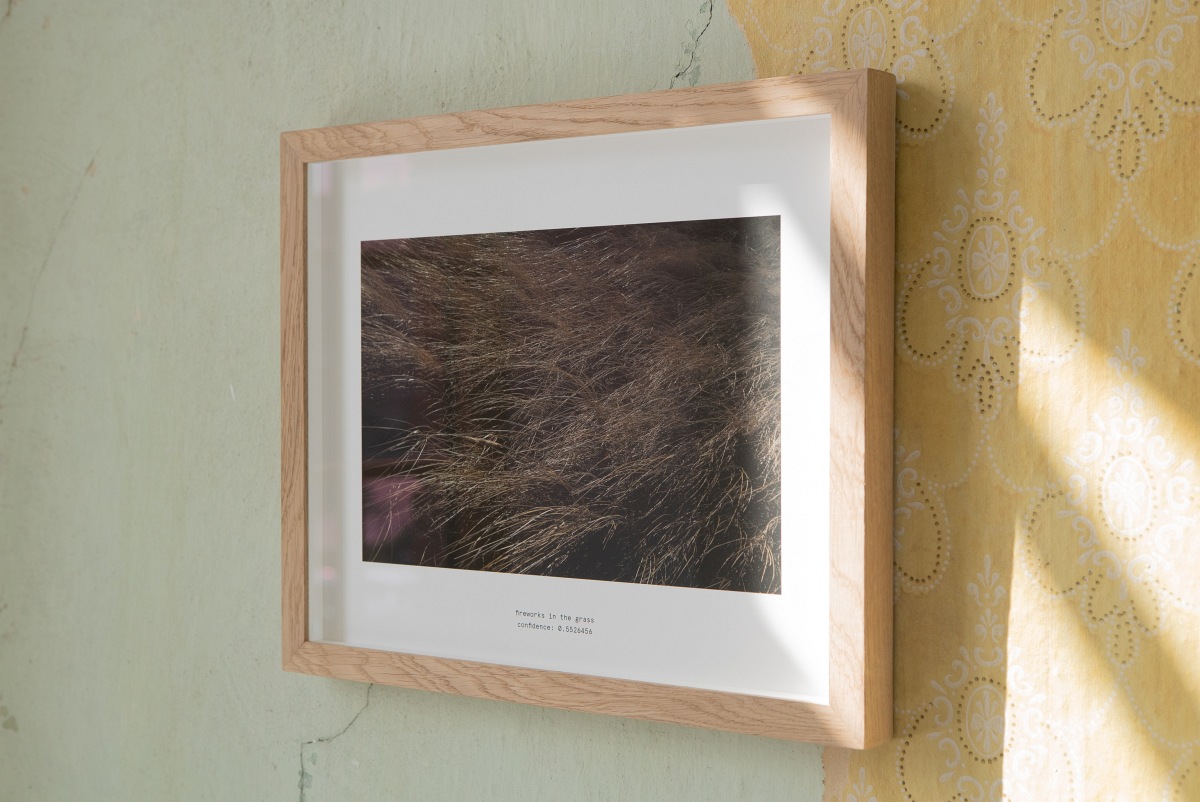
Too Good To Be Photographed explores intricate relationship between photography and failure. On the one hand, it delves into an inability of photography to accurately replicate vision. On the other, there is a larger cultural issue at focus. It relates to our societal investment in photography to truly depict what we see and endow it with an attribute of “truthfulness”.
The project deals with a special discrepancy: that moment when photography breaks. When the camera collapses as a mechanical-eye, and when the medium fails as a cultural replicator of our looking. In other words, the project presents photography’s B-sides, failures, non-successes, defeats. Which ultimately leads to questions about our desires of what photography should be and should be able to do.

The project results from a series of conversations between curator Paulius Petraitis and over 60 artists over a year’s time. The examples gathered can be broadly distinguished into two categories. First are documented “failures” that happened after the fact, that is, after the viewing of a photograph (a sudden realization that this particular image fails to capture some aesthetic or conceptual qualities of the view, or fails to reconnect to the memory of this specific moment, etc). The second group explores the conceptual limitations inherent in the camera and its ability to document.

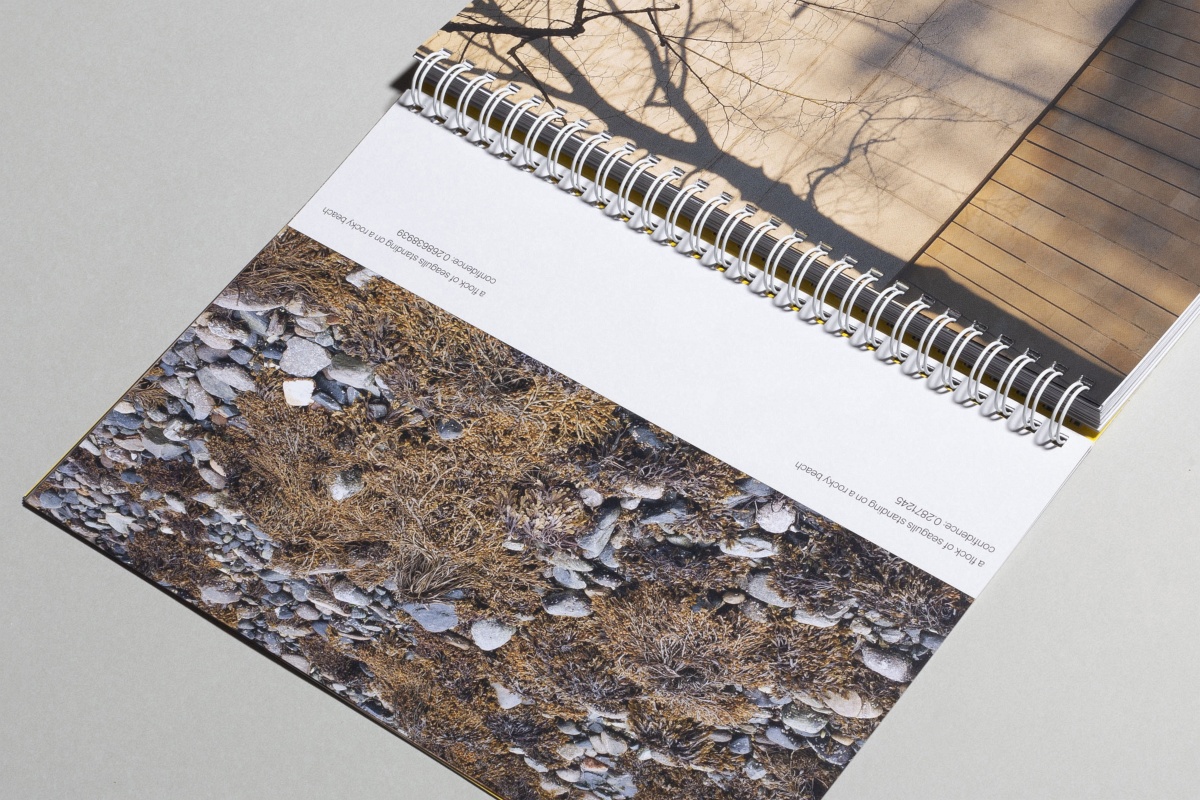
Book published by Lugemik. Designed by Indrek Sirkel. Essays by Roksana Filipowska, Rye Holmboe, Paulius Petraitis, and Jaclyn Wright.
It features more than 150 photographs by 47 artists from 17 countries:
Hieronymus Ahrens (DE), Cassidy Araiza (US), Roxana Azar (US), Sergiy Barchuk (US/UKR), Tine Bek (UK), Alexander Binder (DE), Etienne Courtois (BE), Paloma Dooley (US), Yael Eban (ISR), Jason Fulford (US), Harry Griffin (US), Alexander Harding (US), Aaron Hegert (US), Mishka Henner (UK), Sam Hutchinson (UK), Janna Ireland (US), Go Itami (JPN), Tim Johannis (NL), Cole Don Kelley (US), Wawrzyniec Kolbusz (PL), Paul Kuimet (EE), Daniel Kukla (US), Fred Lahache (FR), Inka & Niclas Lindergård (SE), Tom Lovelace (UK), Carlos Lowenstein (US), Michael Marcelle (US), Katja Mater (NL), Lydia Mccarthy (US), Nich Hance McElroy (US), Aso Mohammadi (IRN/CH), Awoiska Van Der Molen (NL), Ryan L. Moule (UK), Luke Libera Moore (US), Erin O’Keefe (US), Eva O’Leary (US), Kristina Õllek (EE), Ke Peng (CHN), Hanna Putz (AT), Johan Rosenmunthe (DK), Margaux Roy (FR), Erik Schubert (US), Brea Souders (US), Javier Torok (AR/US), Athena Torri (ECU/IT), Casey James Wilson (US), Jaclyn Wright (US).

Sergiy Barchuk / Hanna Putz

Katja Mater / Erin O’Keefe

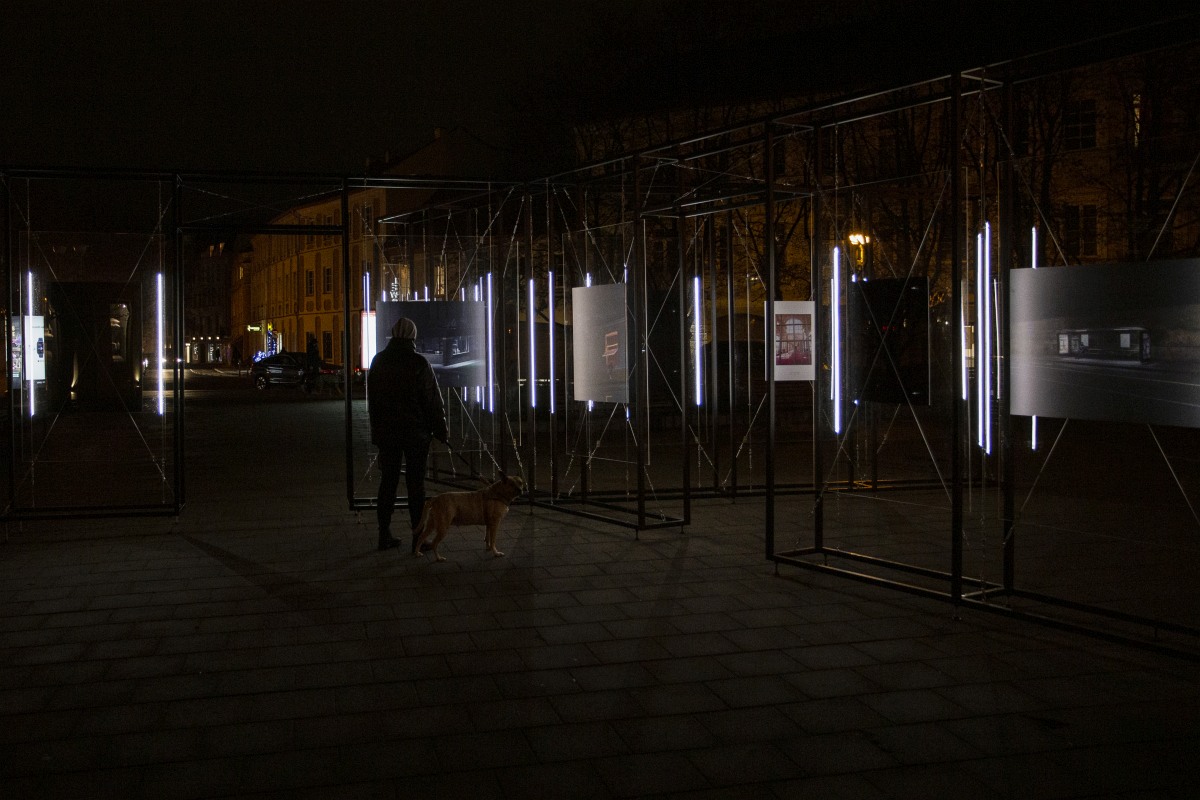
Too good to be photographed book launch and presentation at Rubber Factory, in the framework of NYABF 2017. Panel: Yael Eban, Roksana Filipowska, Jaclyn Wright, and Paulius Petraitis. Photo: Indrek Sirkel